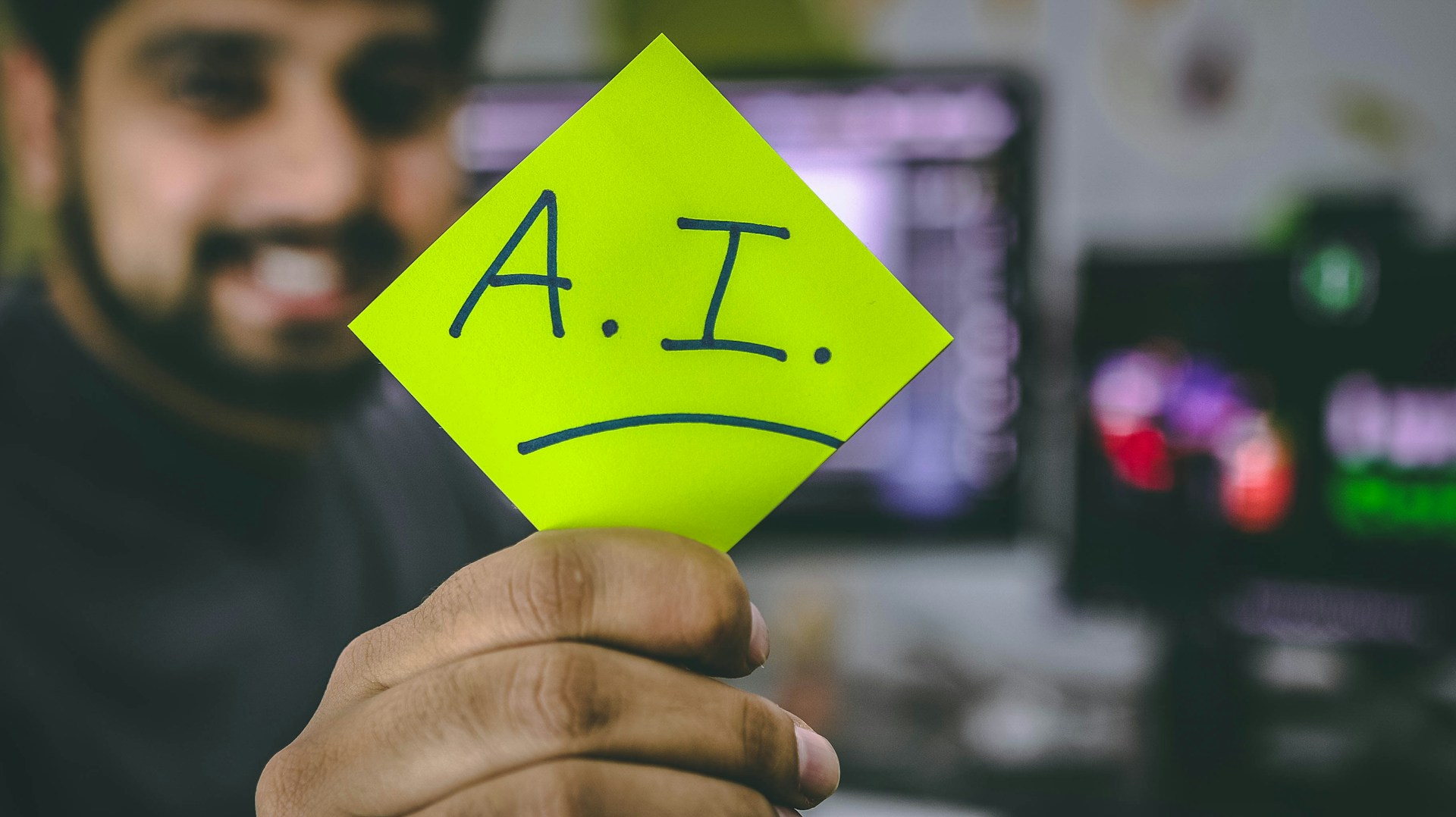
How to learn AI in 2026
A beginner roadmap and 7-day plan for practical AI skills.

Both formats can work—but they produce different outcomes depending on your time, confidence, and whether you need feedback to turn AI into repeatable workflows (not one-off experiments).
Self-paced is ideal when you can stay consistent and you prefer learning quietly at your own speed.
Self-paced courses are perfect when your calendar is chaotic. You can watch a lesson, try one prompt, save the template, and come back later without feeling “behind.”
The tradeoff is simple: you get flexibility, but you don’t always get feedback. If you’re the kind of person who can practice consistently, self-paced is a strong option.

Live training shines when you want faster confidence, real examples, and feedback on what you’re doing wrong (and why).
Live training is what you choose when you’re tired of guessing. A good coach will spot the missing constraint in your prompt in seconds (“Who is this for?” “What’s the policy limit?” “What format do you need?”).
That feedback loop is what builds confidence quickly—especially if you’re using AI at work and you can’t afford “fast and wrong.”
Most “bad outputs” are caused by missing constraints. Feedback helps you see what to add: audience, guardrails, and output format.
If you’ve ever said “AI is generic,” you’re probably missing one or more of these:
The best training isn’t just lessons. It’s reusable templates that turn into repeatable workflows.
Use this as a simple starting rule.

Build transferable skills: prompting, verification, and safe workflows.
A beginner roadmap and 7-day plan for practical AI skills.
A simple formula with examples for emails, reports, and summaries.
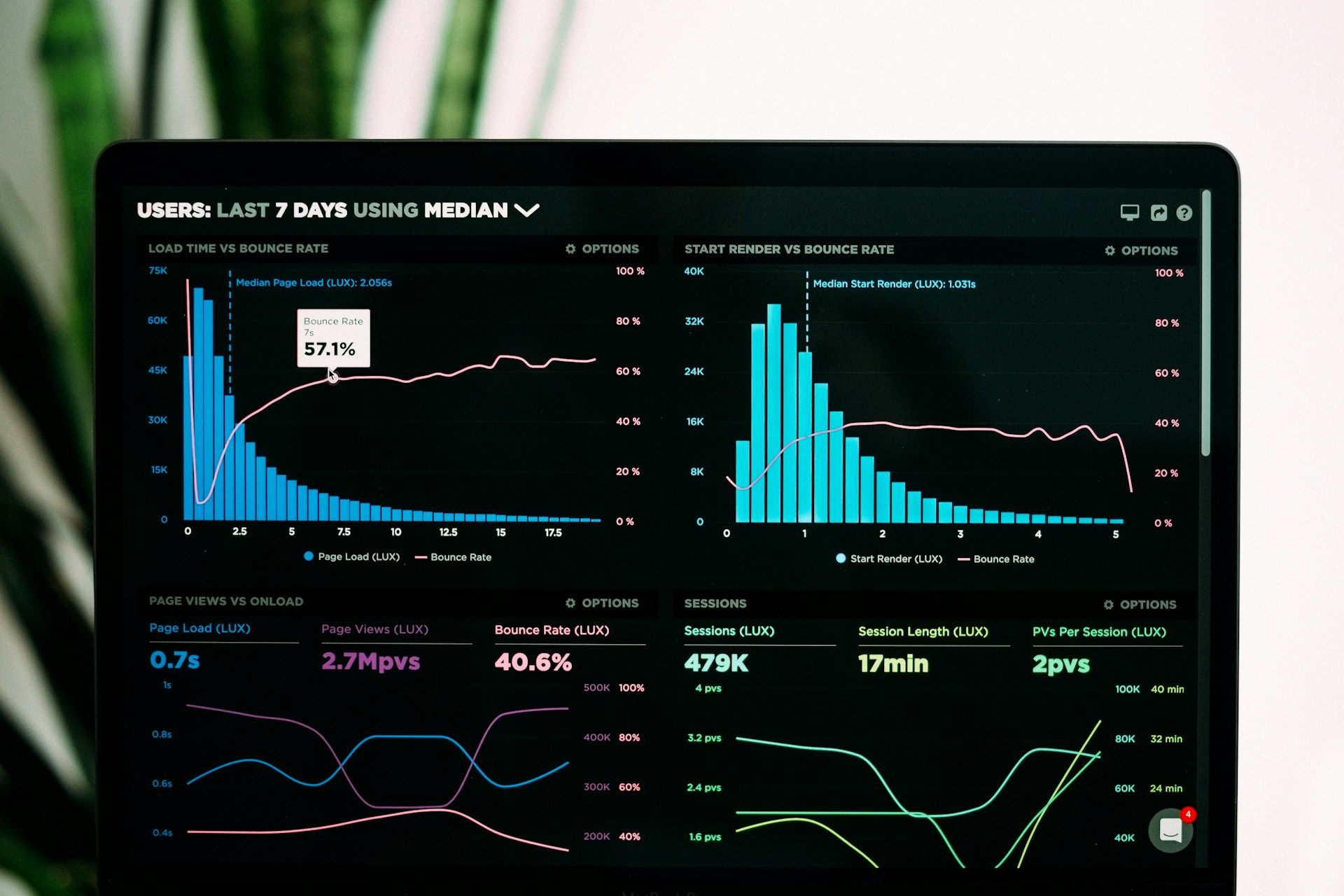
Verification without overthinking—especially for facts and numbers.